Maul – Shadow Lord review: "Sam Witwer gives his strongest Maul performance yet in the most visually striking animated Star Wars show" | GamePortal
Maul – Shadow Lord review: "Sam Witwer gives his strongest Maul performance yet in the most visually striking animated Star Wars show"
Maul – Shadow Lord is a visually stunning entry in the Lucasfilm Animation canon that explores the wrath and surprising vulnerability of one of Star Wars's most intriguing characters, with a brilliant vocal performance from Sam Witwer and a lively cast of supporting characters.
Pros
- +
Beautiful, atmospheric animation
- +
Sam Witwer's best performance as Maul
- +
Fun supporting characters
Cons
- -
Devon and Maul's dynamic is slow to develop
- -
Storylines can feel isolated from each other
Why you can trust GamesRadar+ Our experts review games, movies and tech over countless hours, so you can choose the best for you. Find out more about our reviews policy.
Maul returns. 14 years after his glorious resurrection (and 27 years after he was split in half), the former Sith Lord is back for his own animated spin-off show – and it's a fittingly dark, moody, and crimson red comeback.
The series picks up with Maul post-Clone Wars in the wreckage of his once fearsome criminal empire. The Shadow Collective – Maul's coalition of the galaxy's biggest crime lords – betrayed him after he vanished following the Siege of Mandalore, and he is out for revenge. Alongside his underworld manoeuvrings, however, Maul is also seeking an apprentice in the form of Devon Izara, a Twi'lek Order 66 survivor trying to lay low with her Jedi Master on the neon-drenched planet of Janix.
Thrown into the mix is Brander Lawson, a local law enforcement captain trying to keep the suffocating presence of the Empire away from his home, and his droid partner Two-Boots, who suffers from a serious commitment to playing by the book. Altogether, you have a planet on the edge of chaos – and a one-time Sith Lord poised to seize power.
Article continues belowBack in black
Shadow Lord embraces a darker, edgier tone to match its angry, vengeful leading man. From the first episode, crime lords are murdering each other as part of Maul's Machiavellian manoeuvrings. Action scenes are noticeably more vicious than those of The Clone Wars and Star Wars Rebels, as characters get brutally stabbed, blasted by a jet of fire, or cleaved in half by Maul's bloodthirsty lightsaber. The show leans towards a more mature audience than its predecessors, though without quite committing to being fully adult, which is a balance it manages well.
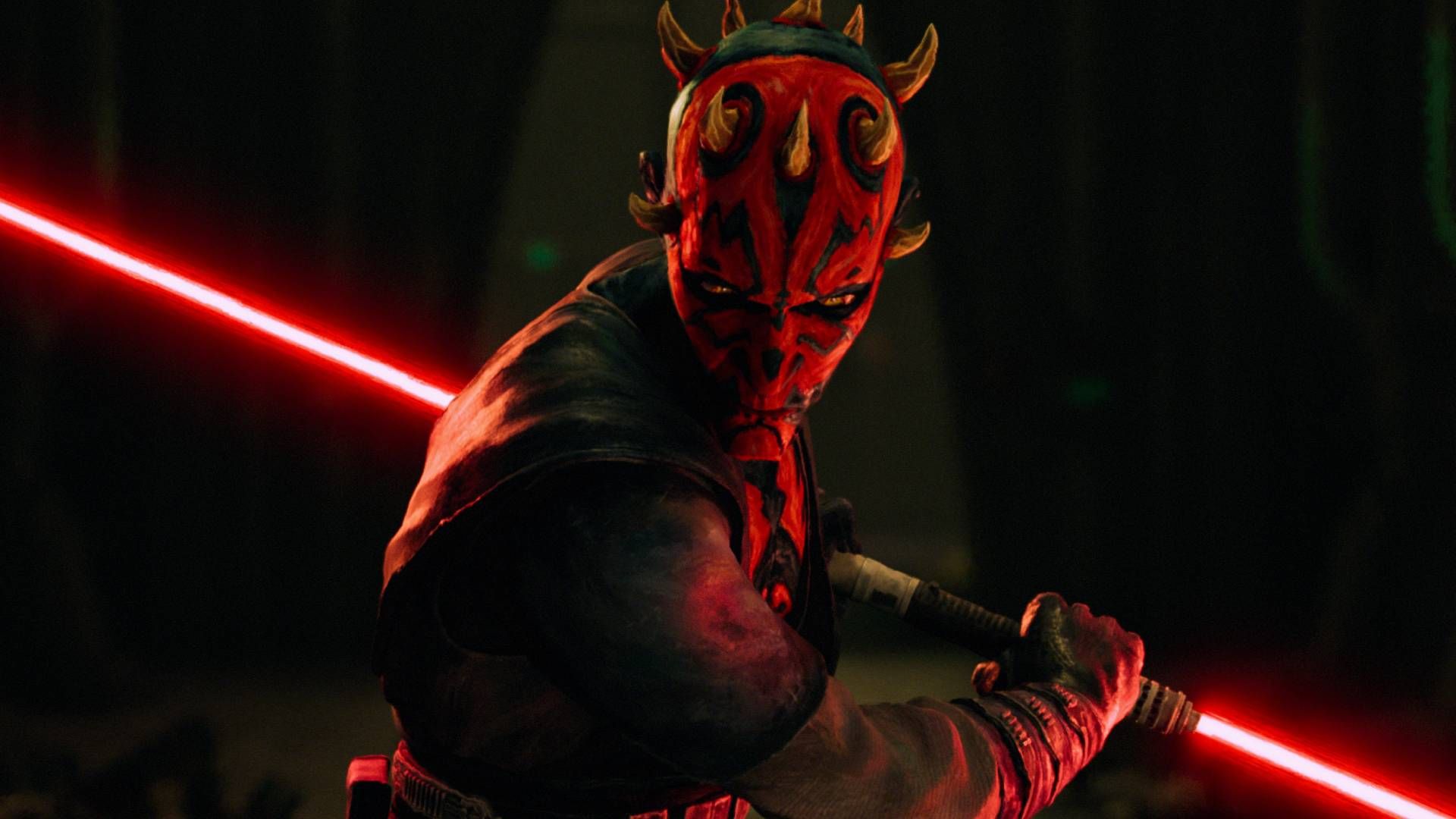
A darker tone also requires a new aesthetic, and Shadow Lord is easily the most visually striking of all the animated Star Wars shows. The painterly animation creates an aura of roughness, with brushstrokes occasionally on show. Janix brings Coruscant to mind with its dark cityscapes and bright neon lights, while the grunge of Maul's underworld hideout is rendered in deep, murky greens and yellows. Lightsabers pulsate with crackling energy, mimicking the barely leashed rage of our protagonist: Maul's double-bladed weapon is brilliantly, violently red. One sequence sees Maul pursuing his would-be apprentice Devon through the dark as she uses his stolen lightsaber to light her way, in a deeply atmospheric pitch-black and blood-red sequence, as Maul lays out his ideology.
Release date: April 6
Available on: Disney Plus
Developed by: Dave Filoni and Matt Michnovetz
Episodes reviewed: 8/10
Maul is no stranger to seeking an apprentice – The Clone Wars sees him recruit his brother, the aptly named Savage Oppress, while Star Wars Rebels (set after Shadow Lord on the Star Wars timeline) sees Maul try his hand at corrupting Ezra Bridger – but his dynamic with Devon is fresh. Maul isn't quite trying to lead her to the dark side, but is instead trying to provoke her to act, rather than live in hiding. He seems more willing to let her come to him after planting some carefully laid seeds, asking deliberately probing questions about her status as an Order 66 survivor: doesn't she wish to fight back? His view is that they share a common enemy in the Empire and Sidious, the Sith Lord who discarded Maul as his apprentice and destroyed the Jedi Order. An interesting tension arises, however, from the fact that Devon's Master is alive and well: she is not as adrift as other survivors, and therefore less susceptible to Maul's manipulations. Something of a cat-and-mouse dynamic develops between Sith and Padawan, with Devon regularly escaping Maul's grasp.
While this is a very interesting push-and-pull, the back-and-forth is drawn out for long enough that the development of this unique dynamic feels a little hindered by the slower pace. Similarly, Maul clearly wants Devon for a plan to strike back at the Empire, but he is as mysterious and enigmatic as ever about exactly what that entails – this worked well when he was an antagonist, but, with him leading his own show, the shadows surrounding his schemes can verge on frustrating. Still, this dynamic is the most compelling aspect of the show, and it seems primed to build to a blowout conclusion in the final two episodes (which have – intriguingly – not been screened for critics).